



By Taylor Kay, Senior Director, Work and Travel Program
Over 100,000 Exchange Visitors travel to the United States each year to participate in the BridgeUSA Summer Work Travel program. Hailing from over 100 countries, they are welcomed by an equally large number of seasonal communities. The best communities are those that recognize that this is a mutual relationship – that these young people contribute to the growth and sustainability of the local community and economy while also receiving personal benefits, such as improved English ability, independence, and work experience and earn some money. Both sides recognize the intrinsic value of cultural exchange – indeed one recent survey of participants found that experiencing a new culture was their primary reason for joining the Summer Work Travel program.
The Role of Community Support Groups
About 15 U.S. communities who host hundreds and thousands of exchange visitors each year have created formal Community Support Groups to coordinate local resources. Many others have informal groups that serve similar purposes – to prepare the community for the seasonal influx of visitors and connect SWT participants with local information and resources on public transportation, public safety and laws, housing, and Social Security.
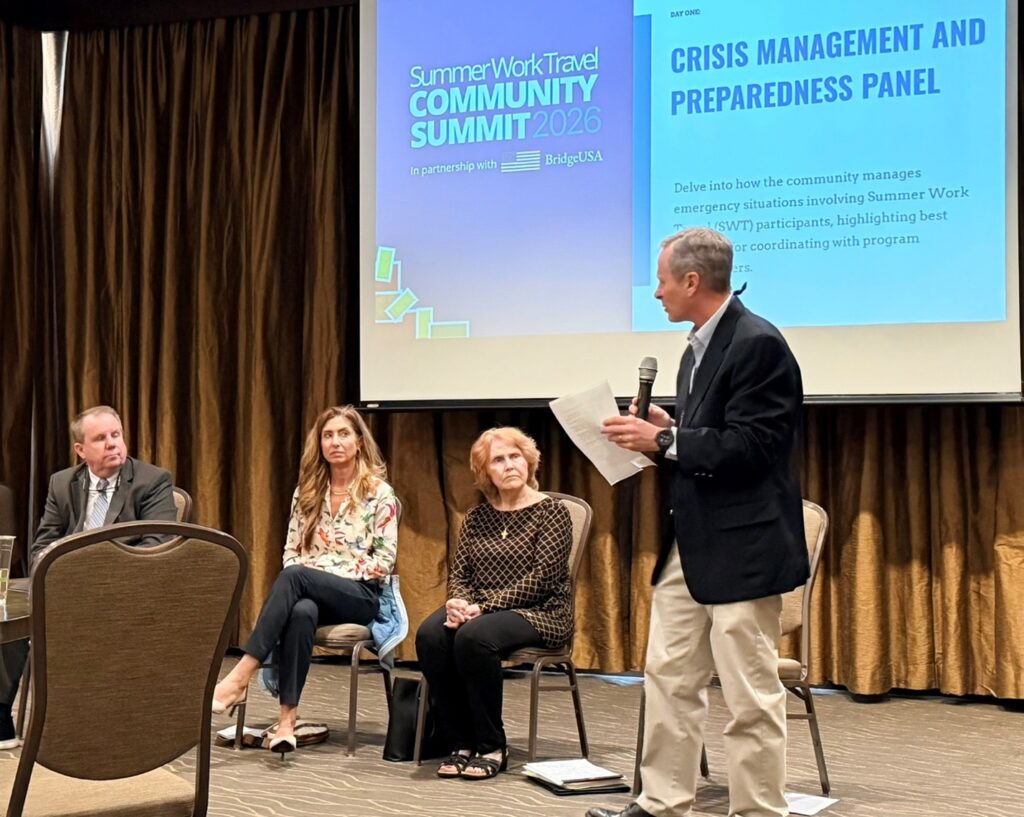
The U.S. Department of State and J-1 visa sponsors like Greenheart Exchange are working together to foster the establishment and growth of new CSGs and to restore some that went dormant during the pandemic. Towards that end, over 80 representatives of local groups, faith-based organizations, host employers and visa sponsors gathered in Pigeon Forge, Tennessee in March for the eighth Community Support Group Summit to learn from each other’s efforts and discuss best practices. I was one of three Greenheart staff – including our CEO Matt Smith – to take part.
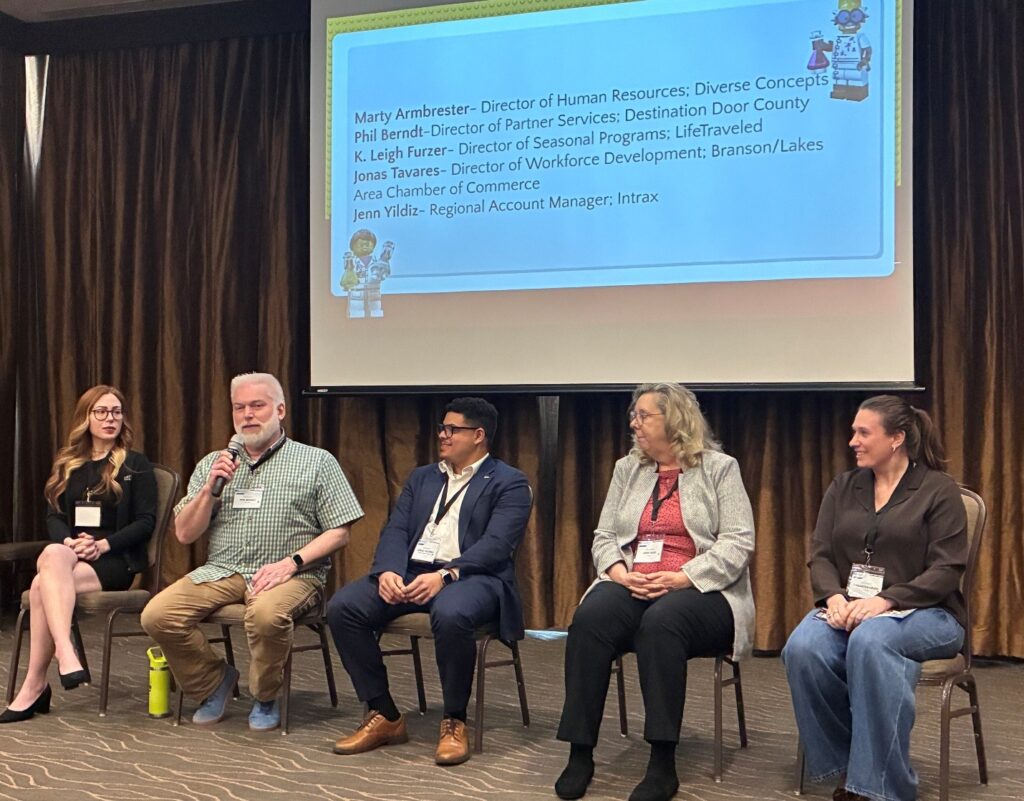
Different Communities with Similar Challenges and Common Solutions
While each community is unique both in terms of needs and available resources, attendees discovered they faced similar challenges and can deploy some common solutions. The Gatlinburg/Pigeon Forge/ Sevierville area of Tennessee, which hosted the conference demonstrated both strengths and weaknesses. This area, given it serves millions of visitors to Great Smoky Mountains National Park, our nation’s most-visited park, has a strong employer base from waffle houses with just a few staff to the beautiful Dollywood amusement park with thousands. Thanks to the International Residence Hall in Pigeon Forge, there is ample seasonal housing available with transportation to all three towns. We saw firsthand how the IRH serves as a hub for all sorts of cultural activities. This area has also been through two natural disasters – wildfires in 2016 and flooding and damage from Hurricane Helene in 2024 and had many lessons to share on crisis planning. Yet we noted that coordination among the towns, police and safety was lacking; there was no one playing a coordinating role.
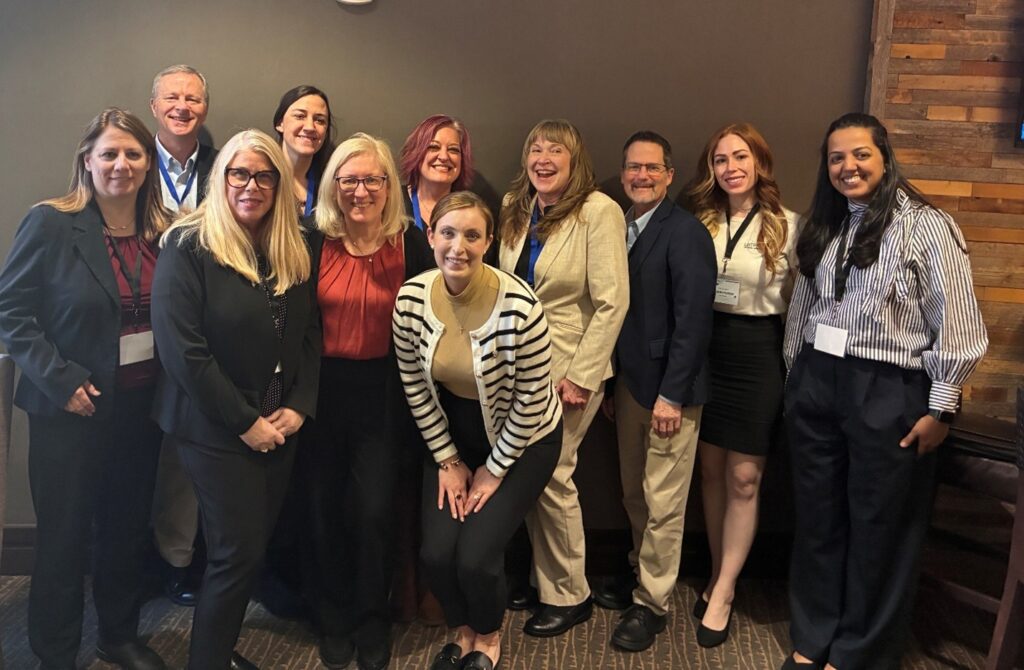
Inspiring Conversations!
Adopting the practice of the CSG in Myrtle Beach, which offers orientations for Exchange Visitors on housing codes, public transport, beach safety and personal safety, offers weekly game nights and bike repair workshops and helps with completing Social Security applications, would connect participants with the area, increase safety and boost the region as a destination for Summer Work Travel participants. There was a sense among attendees that this is a competitive marketplace, and the size of one’s welcome mat is way to compete to be a destination for participants.
The mayor of Sevier County, the president of Dollywood and other local officials addressed the Summit and praised the dynamism and contribution of Exchange Visitors, noting that they allow businesses to open earlier, be fully staffed at summer’s peak and remain open longer in the fall and in the winter in an area with a limited local employee base. Officials from the U.S. Department of State lauded attendees’ work in their own communities and announced the establishment of an internal CSG working group “to help bring greater consistency, clarity, and coordination to this space while preserving the community based and independent nature of CSGs.” The CSG working group intends to develop toolkits to enable the formation of new CSGs and help existing ones expand their services and coordination efforts. Greenheart strongly supports these efforts both at the national level in planning the summit and through our involvement in CSGs in communities where we have staff and many participants.
A Shared Commitment to the Success of the Summer Work Travel Program
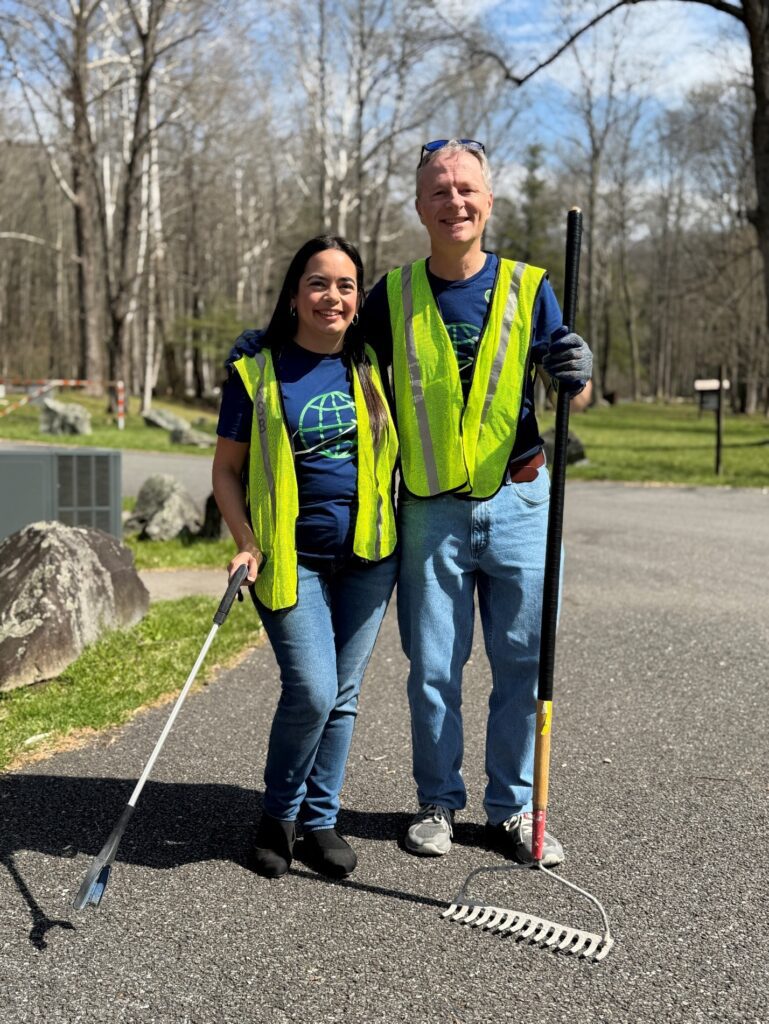
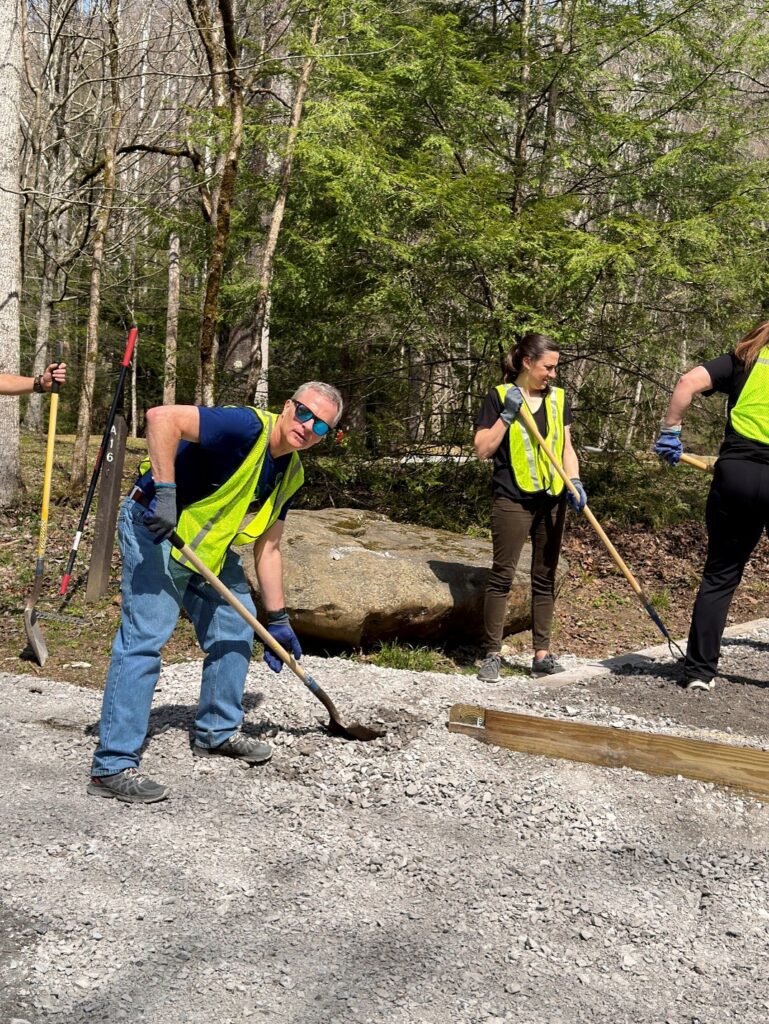
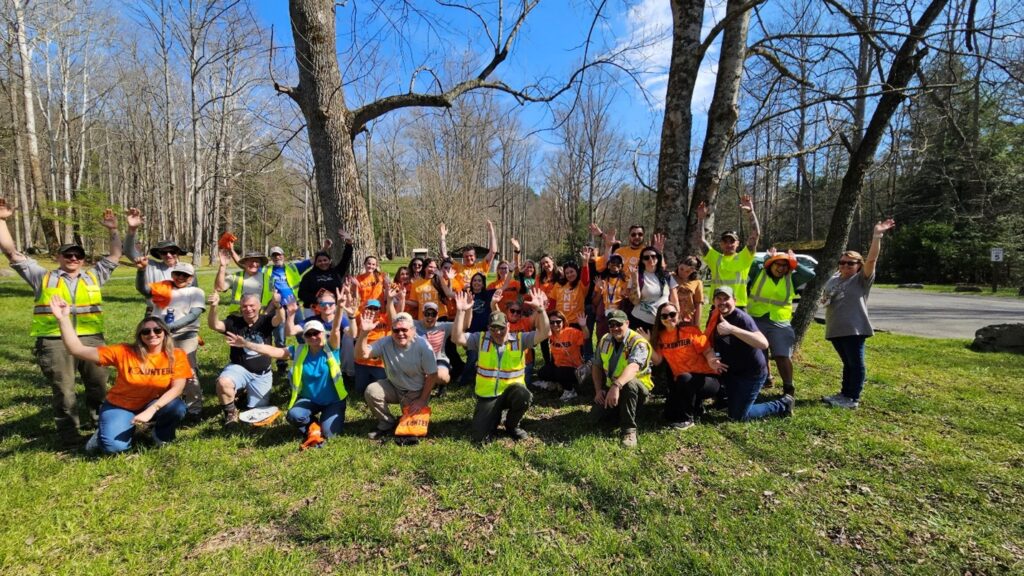
From a personal standpoint, it was wonderful to interact with and learn from the other attendees who share our commitment to the success of the Summer Work Travel program and participant safety. Coming from cold Maine, I enjoyed the green flush of springtime in Tennessee, particularly during a volunteer clean-up project in the national park. And we learned a lot about the history and development of this area from local attendees and meeting with local businesses. And there is a strong sense of community among sponsors – we are friendly competitors.
Interested in joining a CSG in your community?
Check the Department of State’s directory. If you don’t see one listed, then perhaps it’s time to start one! Contact Greenheart for help. Existing CSGs are also very happy to share their knowledge and coordinate conversations among similar groups in each community, such as law enforcement or public transit.